
What a Kathmandu Travel Guide Covers
Kathmandu is Nepal’s capital, and Kathmandu Valley contains several historic urban centers rather than one continuous old city. A useful Kathmandu travel guide gives visitors a framework for recognizing significant places and the neighborhoods around them. It separates lasting geographic and cultural context from details that can change, such as access arrangements, opening hours, and street conditions. Focused place and photography guides can add site-specific orientation and visual context alongside that broader overview.
Historic places and religious sites
Historic and religious sites help explain how Kathmandu’s built environment has developed and how important places sit within the wider city. Kathmandu is Nepal’s capital, but the Kathmandu Valley also includes other historic urban centers, notably Patan, now part of Lalitpur, and Bhaktapur. A guide should identify whether a place is in Kathmandu itself or elsewhere in the Valley, rather than treating every site as a city landmark.
Examples show the range of places a city guide can locate and describe:
- Kathmandu Durbar Square is a historic urban square, offering a point of reference within the capital’s older center and its surrounding streets.
- Patan Durbar Square lies in Lalitpur, a separate historic center in the Valley, and belongs in regional context rather than Kathmandu’s city limits.
- Bhaktapur Durbar Square represents another historic center beyond Kathmandu, showing why a Valley-wide guide must distinguish separate urban settings.
- Pashupatinath is a major temple complex in Kathmandu, illustrating how religious sites form part of the city’s wider cultural and spatial context.
- Boudhanath and Swayambhunath are prominent stupas associated with Kathmandu, each occupying a distinct place in the Valley’s religious landscape.
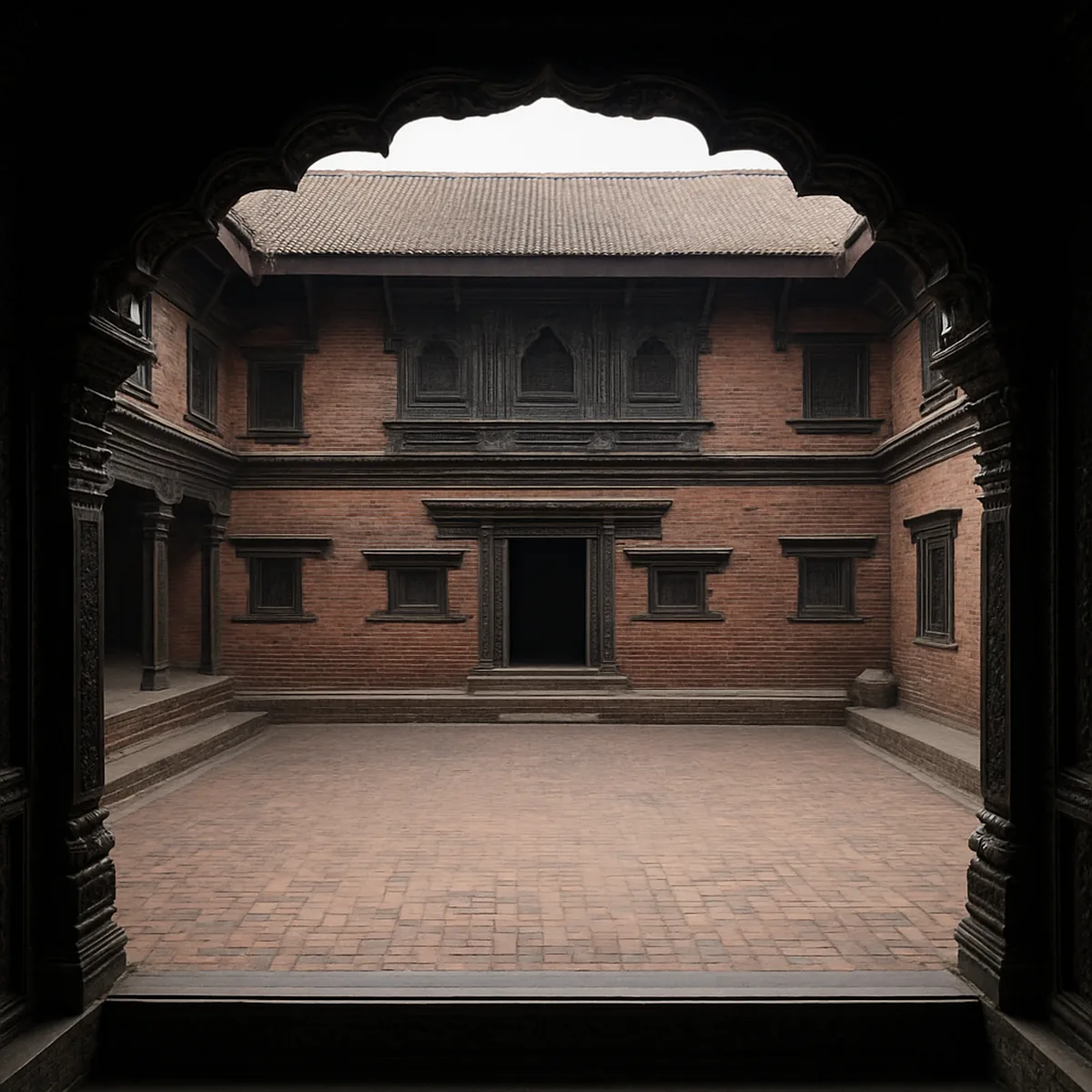
- Traditional courtyards appear within historic neighborhoods, linking buildings and small shared spaces to the larger pattern of streets and religious sites.
Together, squares, temples, stupas, and courtyards present Kathmandu cultural attractions as connected places, not isolated names. Place-specific guides can supply more focused orientation, while photography references can provide visual context; hours, access, and temporary conditions still require current verification.
Neighborhoods and everyday city settings
Kathmandu neighborhoods are lived urban settings, not simply labels on a visitor map. Streets may narrow into lanes around the older center, opening onto courtyards, small shops, workshops, and religious spaces. These elements sit close together, so a short walk can move between busy commercial streets and quieter shared spaces without crossing a clear boundary between “historic” and “everyday” city life.
Thamel is a widely recognized district, while the older city core and residential areas offer different street patterns and daily rhythms. A Kathmandu neighborhoods guide can help place these settings in relation to the city, but neighborhood names do not always describe sharply defined borders. Courtyards, local activity, and nearby shrines or temples often provide more useful on-the-ground clues than a district label alone.
Some context remains useful over time: the broad location of a neighborhood, its relationship to the historic center, and the presence of lanes or courtyards. Other details change more quickly, including which businesses operate, street access, construction, traffic flow, and temporary closures. A map or description may explain the area’s structure without confirming what is happening on a particular day.
Use enduring geographic context to locate a neighborhood, then check current local information for operational details before relying on them. That distinction gives a clearer picture of Kathmandu’s everyday settings while keeping a city overview useful even as individual streets and services change.
How the City Is Experienced
Kathmandu can feel markedly different when attention is fixed on a monument than when it follows the rhythms of a neighborhood street. A visit centered on a temple, stupa, or historic square creates a focused setting, with architecture and active religious or civic use shaping what visitors notice. Walking through places such as Asan or Thamel brings a more varied sequence of shops, homes, traffic, and street life. The contrast affects both the pace of observation and the kinds of photographs that feel meaningful.
Landmark visits
Monument- and religious-site-centered visits concentrate attention on a distinct setting: the form of a building, its position within a square, and the activities taking place around it. Kathmandu Durbar Square, Boudhanath Stupa, and Swayambhu offer different visual scales, from a historic urban plaza to a large circular stupa and a hilltop complex. Kathmandu Valley was inscribed on UNESCO’s World Heritage List in 1979, providing context for the place of major monuments within the wider city.
| Aspect | Landmark-centered visit | Neighborhood walk |
|---|---|---|
| Atmosphere | Kathmandu Durbar Square brings together monuments and an open civic space. | Asan’s market lanes and Thamel’s shop streets feel more continuously active and varied. |
| Observation | Attention often settles on architectural details, courtyards, and the use of a defined site. | Small changes between shopfronts, side streets, and passing activity become the focus. |
| Photographic focus | Boudhanath’s circular stupa offers a strong central form; Swayambhu’s hilltop setting adds elevation and wider views. | Street scenes can combine signs, goods, doorways, and people within a changing frame. |
| Active use | Religious or civic activity is observed within the boundaries of a recognizable landmark. | Daily commerce and movement unfold across connected streets rather than one central site. |
At a landmark, the setting provides a clear visual anchor, but the scene can change as visitors and local activity move through it. Photography tends to emphasize a monument’s silhouette, surface, or relationship to its courtyard; observation is strongest when it includes how the place is being used, not only how it looks.
Neighborhood walks
Neighborhood streets present Kathmandu as a sequence of everyday settings rather than a single destination. In Asan, market activity fills narrow lanes with shop displays and movement; in Thamel, accommodation, restaurants, and retail businesses create a different street mix. A short change of direction can shift the view from a busy commercial frontage to a quieter residential stretch, so the visual context changes more often than it does within a defined monument precinct.
This variety rewards slower observation. Instead of concentrating on one structure, visitors can notice how doorways meet the street, how goods are arranged outside shops, and how pedestrians, bicycles, and motor traffic share limited space. These details are also useful photographic subjects: a frame may include a shop sign, stacked produce, a carved entrance, or several layers of street activity. The strongest images often depend on timing and viewpoint rather than a single landmark in the background.
Neighborhood walks also reveal transitions that a site visit may not show, such as differences between commercial streets and nearby residential lanes. Ambient sound, density, and the amount of movement can change from one block to the next, while the route remains an ordinary part of the city rather than a sequence of formal attractions. That makes the experience less predictable, but gives more opportunities to observe daily routines and varied street scenes.
Choose a landmark visit when architectural form, historic setting, or a focused religious place is the main interest. Choose neighborhood time when everyday commerce, changing street views, and candid urban photography matter more; combining both gives a more balanced sense of Kathmandu.
Cultural Context for Visitors
Religious places in Kathmandu remain part of daily life, not just destinations on a sightseeing route. Worship, routine visits, and visitor movement can share the same courtyard or approach, while practices differ between Hindu temples and Buddhist stupas. The setting helps visitors notice when a ceremony or prayer is taking place and give it room. Careful observation and attentive photography allow a visit to remain considerate of the people using the site.
Religious settings
At Kathmandu’s religious sites, worship and ordinary use often take place alongside visitor visits. At a temple, someone may pause to offer flowers or light a lamp while others pass through the courtyard; at a stupa, devotees may walk around the structure, sometimes turning prayer wheels as they go. These actions are part of the place’s ongoing use, not a performance arranged for visitors.
Places such as Boudhanath Stupa and Swayambhu attract both local worshippers and visitors to Kathmandu’s cultural attractions. A visitor may encounter prayer, offerings, or a group gathering without knowing its purpose. Give people space, avoid interrupting their movement, and watch how others use the area before choosing where to stand. Customs can differ by site, so follow posted directions and any guidance from staff or people responsible for the grounds.
Respectful observation means treating worshippers as participants in their own religious practice, rather than as part of a display. Keep a clear path through doorways and around places where people are praying; do not touch offerings, ritual objects, or items placed at a shrine. If a ceremony is underway, wait at a distance or move on rather than trying to get closer for a better view.
Some precincts have areas that visitors cannot enter, and access rules may vary even within one complex. A visible boundary, closed doorway, or local request is a reason to stop, not an invitation to find another way in. Moving quietly and allowing worship to continue makes it possible to experience these settings without displacing the people who use them.
Photography and respectful conduct
Photography rules vary between sites and sometimes between different areas of the same complex. Before raising a camera or phone, check signs at the entrance and around shrines, courtyards, and interiors, then pay attention to requests from staff and people present.
- Follow posted photography notices, including restrictions on flash or indoor images; if a sign is unclear, ask a staff member before taking a photograph.
- Stay outside ropes, gates, and marked boundaries, even when a clear view is available from inside; restricted areas remain off-limits for photographs.
- When worship is underway, keep a respectful distance and avoid blocking paths or lingering beside someone who is praying, making an offering, or attending a ceremony.
- Ask before making a close portrait of an identifiable person, including a monk, vendor, or worshipper; accept a refusal without bargaining or taking the image anyway.
- If someone asks not to be photographed, lower the camera promptly, acknowledge the request, and move away rather than debating or continuing to record.
- In a busy courtyard, frame the building or stupa without singling out people in prayer; wait for a clear moment instead of directing anyone to pose.
A quiet courtyard may call for putting the camera away, while an open public area may allow photographs when signs and people’s requests permit them. Do not assume that a public setting means every person welcomes being included in an image.
When unsure, ask first; when asked to stop, stop. That simple approach keeps a visit attentive to both site rules and the people who are there to worship.
Planning Considerations
Start by identifying what matters most to you: historic architecture, religious sites, local food, markets, or time in residential neighborhoods. A first visit that prioritizes major monuments needs a different pace from one centered on everyday city life, and trying to cover every interest can leave little room to absorb either. For Kathmandu itinerary planning, group places by area and theme before deciding how many to include; Kathmandu, Patan, and Bhaktapur offer distinct settings within the wider valley, so combining them requires attention to the time available rather than a fixed checklist. The length of a stay shapes the balance between breadth and depth. With only a short visit, choose a small number of contrasting experiences, such as a historic setting and a neighborhood walk; with several days, allow more space for markets, food, and sites beyond the central city. Avoid treating a list of places as a day-by-day schedule: visit durations, opening arrangements, and transport options can vary, so leave room to adjust plans once details are confirmed. The best time to visit Kathmandu may depend on whether you prefer milder, generally drier conditions or are comfortable planning around seasonal rain; weather can affect how much time outdoors feels practical, but does not determine what the city offers. When choosing where to stay in Kathmandu, compare the location with the places and activities you expect to prioritize, rather than selecting accommodation by name alone. A central base may suit plans focused on nearby historic areas, while a different location may better fit a quieter neighborhood or particular interests; consider how often you expect to cross the city and whether the group prefers a compact schedule. Leave some flexibility for changing local conditions instead of relying on assumed journey times or fixed availability. A manageable mix of nearby and farther-flung places, matched to your available days and interests, is the most practical starting point.
Using Place and Photography Guides
A Kathmandu travel guide can begin with broad questions: what kinds of experiences are available, which places deserve attention, and how can a visitor navigate the city’s varied settings? The Things to Do pages address the first question through an overview of possible activities, helping readers compare cultural visits, time outdoors, and everyday experiences without treating every option as a fixed itinerary. The Places to Visit pages answer a more location-specific question by focusing on individual destinations, their setting, and the details that distinguish one historic site, neighborhood, or viewpoint from another. Nepal Photography takes a different approach, concentrating on photographic practice: how to notice changing natural light, frame a crowded street or architectural detail, and make considered images in varied environments rather than simply listing destinations. The distinction is useful when moving from a general overview to detailed guidance: use Things to Do to choose interests, Places to Visit for details about particular locations, and Nepal Photography for practical image-making choices before and during a visit, such as whether a wide view or a close architectural detail better conveys a scene. Kathmandu Travel and Photography Guide is an independent English-language information guide, not a shop, business, service provider, school, organisation, or former project of the domain, and it offers no products or services; for a first visit, start with the overview, select places that fit your interests, then use photography guidance where it adds practical value.